The rise of a global economy and Third Worldconsumerism marked the beginning of the century, along with increased private enterprise and deepening concern over terrorism after the September 11 attacks in 2001.[1][2][3] The NATOintervention in Afghanistan and the United States-led coalition intervention in Iraq in the early 2000s, as well as the overthrow of several regimes during the Arab Spring in the early 2010s, led to mixed outcomes in the Arab world, resulting in several civil wars and political instability.[4] The early 2020s saw an increase in wars across the world, including a major escalation of the Russo-Ukrainian war and the Gaza war.[5][6] Meanwhile, the war on drugs continues, with the focus primarily on Mexico and the rest of Latin America.[7][8] The United States has remained the sole global superpower, while China is now considered to be an emerging superpower.
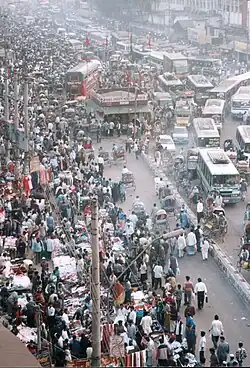
In 2022, 45% of the world's population lived in "some form of democracy", although only 8% lived in "full democracies".[9] The United Nations estimates that by 2050, two-thirds of the world's population will be urbanized.[10]
The world economy expanded at high rates from $42 trillion in 2000 to $101 trillion in 2022, and though many economies rose at greater levels, some gradually contracted.[a] Effects of global warming and rising sea levels exacerbated the ecological crises, with eight islands disappearing between 2007 and 2014.[11][12][13]
In late 2019, the COVID-19 pandemic began to rapidly spread worldwide, causing more than seven million reported deaths,[14] and around 18.2 to 33.5 million estimated deaths,[15] while at the same time, causing severe global economic disruption, including the largest global recession since the Great Depression in the 1930s.[16] The pandemic defined 2020 and 2021, and remained a global health crisis until May 2023.
Due to the sudden proliferation of internet-accessible mobile devices, such as smartphones becoming ubiquitous worldwide beginning in the early 2010s, nearly three-quarters of the world's population obtained access to the Internet by 2025.[17] After the success of the Human Genome Project, DNA sequencing services became available and affordable.[18][19] There were significant improvements in the complexity of artificial intelligence, with American companies, universities, and research labs pioneering advances in the field.[20][21] Research into outer space greatly accelerated in the 2020s, with the United States mainly dominating space exploration, including the James Webb Space Telescope, Ingenuity helicopter, Lunar Gateway, and Artemis program.[22][23]
Pronunciation
There is a lack of general agreement over how to pronounce specific years of the 21st century in English. Academics have pointed out that the early years of previous centuries were commonly pronounced as, for example, "eighteen oh five" (for 1805) and "nineteen oh five" (for 1905).[24] Generally, the early years of the 21st century were pronounced as in "two-thousand (and) five", with a change taking place around 2010, when pronunciations often shifted between the early-years form of "two-thousand (and) ten" and the traditionally more concise form of "twenty-ten".
The Vancouver Olympics, which took place in Canada in 2010, was being officially referred to by Vancouver 2010 as "the twenty-ten Olympics".
Society
Technologies such as ultrasound, prenatal genetic testing, and genetic engineering have advanced significantly. Due to sex-selective abortion, fewer girls have been born in the 21st century (and since the early 1980s) compared to past centuries, mostly because of son preference in East and South Asia. In 2014, only 47% of Indian births were of girls.[25] This has led to an increase in bachelors in countries such as China and India. The first genetically modified children were born November 2018 in China to significant controversy, beginning a new biological era for the human species.[26]
Anxiety[27] and depression[28] rates have risen in the United States and many other parts of the world. However, suicide rates have fallen in Europe and most of the rest of the world so far this century, declining 29% globally between 2000 and 2018, despite rising 18% in the United States in the same period. The decline in suicide has been most notable among Chinese and Indian women, the elderly, and middle-aged Russian men.[29][30]
Knowledge and information
Shanghai has become a symbol of the recent economic boom of China.
The entire written works of humanity, from the beginning of recorded history to 2003, in all known languages, are estimated to amount to five exabytes of data.[31][32] Since 2003, with the beginning of social media and "user-generated content", the same amount of data is created every two days.[33] With the AI boom of the 2020s gaining international prominence, as of 2024, mass-produced AI slop comprised over half of the Internet.[34]
Telecommunications in the early 21st century are much more advanced and universal than they were in the late 20th century. Only a small percentage of the world's population were Internet users and cellular phone owners in the late 1990s; while as of 2023, 67% of the world's population is online,[17] and 78% of all people aged 10 and above own a mobile phone.[35] In the 2010s, artificial intelligence, mainly in the form of deep learning and machine learning, became more prevalent and in the early 2020s, with the rise of generative AI, the AI boom began. As of 2022, 8.6% of the world's population still lacked access to electricity.[36]
India's Prayag Kumbh Mela is regarded as the world's largest religious festival.
In 2001, Dennis Tito became the first space tourist, beginning the era of commercial spaceflight. Meanwhile China and India have made substantial strides in their space programs. On 3 January 2019, China landed a robotic spacecraft on the far side of the Moon, the first to do so.[37] On 23 August 2023, with the Chandrayaan-3 Mission, India became the first country to touch down near the lunar south pole.[38]
Culture and politics
War and violence have declined considerably compared to the 20th century, continuing the post-World War II trend called Long Peace. However, since the beginning of the 2020s, geopolitical tensions and wars have been rising across the world, as seen with the Russian invasion of Ukraine and Gaza war, the Tigray war, the Sudanese civil war, and the deterioration of China–United States relations.[5][6][39] As of 2023, 14% of people in the world live within five kilometers of violent conflict; the highest number of ongoing conflicts across various since World War II.[40][41]
Poverty is still widespread globally, but fewer people live in the most extreme forms of poverty. In 1990, 37.9% of the world's population lived in extreme poverty; by 2022, this had dropped to just 9%.[42]
The Facebook–Cambridge Analytica data scandal drew international attention to the possible adverse effects of social media in influencing citizens' views, particularly regarding the 2016 United States presidential election.
Population and urbanization
Projected world population by 2100 based on the UN's medium population scenario.
The world population was about 6.1 billion at the start of the 21st century and reached 8 billion by November 2022. It is estimated to reach nearly 8.6 billion by 2030,[43] and 9.8 billion by 2050. According to the United Nations World Urbanization prospects, 60% of the world's human population is projected to live in megacities and megalopolis/megalopolises by 2030, 70% by 2050, and 90% by 2080.[44]
Life expectancy has increased as child mortality continues to decline. A baby born in 2019, for example, will, on average (globally), live to 73 years — 27 years longer than the global average of someone born in 1950.[45] 10 million Britons (16% of the United Kingdom population) will, on average, live to 100 or older.[46]
Climate change remains a serious concern; United Nations Secretary-General António Guterres, for instance, has described it as an "existential threat" to humanity.[47] Furthermore, the Holocene extinction event, the sixth-most significant extinction event in the Earth's history, continues with the widespread degradation of highly biodiverse habitats as a by-product of human activity.[48]
A map of uncontacted tribes, around the start of the 21st century
Economics, education and retirement
Economically and politically, the United States and Western Europe were dominant at the beginning of the century; by the 2010s, China became an emerging global superpower and, by some measures, the world's largest economy. In terms of purchasing power parity, India's economy became more significant than Japan's around 2011.[49]
Bitcoin and other cryptocurrencies are decentralized currencies that are not controlled by any central bank. These currencies are increasing in popularity worldwide due to the expanding availability of the internet and are mainly used as a store of value.
There is an ongoing impact of technological unemployment due to automation and computerization: the rate at which jobs are disappearing—due to machines replacing them—is expected to escalate.[50] Automation alters the number of jobs and the skills demands of industries. As of 2019, the production output of first world nations' manufacturing sectors was doubled when compared to 1984 output; but it is now produced with one-third fewer workers and at significantly reduced operating costs.[51] Half of all jobs with requirements lower than a bachelor's degree are currently in the process of being replaced with partial- or full-automation.[52]
The World Economic Forum forecasted in 2018 that 65% of children entering primary school will end up in jobs or careers that currently do not yet exist.[53]
A rise in the retirement age has been called for in view of an increase in life expectancy and has been put in place in many jurisdictions.[54][55]
Linguistic diversity
As of 2009, Ethnologue catalogued 6,909 living human languages.[56] The exact number of known living languages will vary from 5,000 to 10,000, generally depending on the precision of one's definition of "language", and in particular, on how one classifies dialects.
Estimates vary depending on many factors, but the general consensus is that there are between 6,000 and 7,000 languages currently spoken. Between 50% and 90% of those will have become extinct by the year 2100.[57]
The top 20 languages spoken by more than 50 million speakers each, are spoken by 50% of the world's population. In contrast, many of the other languages are spoken by small communities, most of them with fewer than 10,000 speakers.[57]
1998–2003 – The Second Congo War continued into the early 21st century. A 1999 ceasefire quickly broke down and a UN peacekeeping mission, MONUC, was unable to control the fighting. Troops from Rwanda and Uganda continued to support rebel groups against the Democratic Republic of the Congo and rifts also grew between Rwanda and Uganda as they accused each other of supporting rival rebel groups as well. Laurent Kabila, president of the DRC, was assassinated in January 2001 and his son, Joseph Kabila, took power. Throughout 2002 steps were made towards peace and Rwanda and Uganda both removed their troops from the country. On December 17, 2002, a massive treaty officially ended the war. However, the DRC only holds power in less than half of the country, with most of the eastern and northern portions still controlled by rebel groups, where there is still significant infighting. In addition, Rwanda still supports anti-DRC rebels and anti-Rwandan rebels continue to operate from the DRC. The war killed an estimated 3.9 million people, displaced nearly 5.5 million, and led to a widespread and ongoing famine that continues to result in deaths. Severe human rights violations continue to be reported.[58]
2000–2005 – The Second Intifada, a major Palestinian uprising against Israel, is estimated to have led to the deaths of approximately 3,000 Palestinians and 1,000 Israelis.
May 13 – Conservative media magnate Silvio Berlusconi wins the general election in Italy, becoming the country's Prime Minister. Berlusconi would go on to dominate Italian politics for the rest of the decade.
June 1 – The Nepalese royal massacre occurs at a house on the grounds of the Narayanhity Royal Palace, the residence of the Nepalese monarchy. Ten members of the family were killed during a party or monthly reunion dinner of the royal family in the house. The dead included King Birendra of Nepal and Queen Aishwarya.
July 20–22 – More than 200,000 anti-globalization protesters march in Genoa, during the 27th G8 summit. Two demonstrators are killed by the Italian police. On July 21, a group of Carabinieri attacked the school Armando Diaz, critically injuring many peaceful protesters.
2001–2014 – The Northern Alliance and NATO-led ISAF invades Afghanistan on October 7, 2001, and overthrows the Al-Qaeda-supportive Taliban government. Troops remained to install a democratic government, fight a slowly escalating insurgency, and to hunt for Al-Qaeda leader Osama bin Laden who would be killed by American troops nearly 10 years later, on May 2, 2011. On December 24, 2014, NATO forces officially ended combat operations in Afghanistan, but forces remained until August 30, 2021, followed by a quick withdrawal of all troops.
The Open Skies mutual surveillance treaty, initially signed in 1992, officially enters into force.[59]
The Euro is the official currency introduced in the Eurozone countries.[60] The former currencies of all the countries that use the Euro ceased to be legal tender on February 28.[61]
The government of Sri Lanka and the Tamil Tigers agree to a ceasefire, temporarily ending the Sri Lankan Civil War.[72] It would last until the resumption of hostilities in 2008.[73]
February 27 – A mob attacks a train near Godhra, India, killing approximately 59 people.[74] The state of Gujarat breaks out into riots, including the Gulbarg Society massacre on February 28 that kills approximately 69 people.[75]
October 12 – Jemaah Islamiyah, a violent Islamist group, claims responsibility for the detonation of three bombs in the tourist district of Kuta on the Indonesian island of Bali. The attack killed 202 people and left 209 people injured.
November 15 – Hu Jintao becomes the General Secretary of the Chinese Communist Party, making him the paramount leader of China after Jiang Zemin.
February 4 – The Federal Republic of Yugoslavia is renamed to "Serbia and Montenegro" (after its two constituent states) after its leaders reconstitute the country into a loose state-union between Montenegro and Serbia, ending the 73-year-long use of the name "Yugoslavia" by a sovereign state.
2003–2020 – On February 26, 2003, a conflict in Darfur, Sudan begins and escalates into full-scale war. By 2008 it was believed that up to 400,000 people had been killed and over 2.5 million displaced. In 2005, the ICC decided that Darfur war criminals would be tried, and on July 14, 2008, Sudanese president Omar al-Bashir was charged with 5 accounts of crimes against humanity and 2 accounts of war crimes, even though the ICC had no power to enforce such charges. The war ends following a peace agreement on August 31, 2020.
2003–2010 – The U.S.-led coalitioninvades Iraq on March 20, 2003, and overthrows the government of Saddam Hussein (who is executed by the Iraqi government on December 30, 2006). Coalition troops remain in the country to install a democratic government and fight an escalating insurgency. In addition to an insurgency against the American presence, Iraq also suffered from a civil war for several years. The war was soon seen as the central front of the war on terror by many governments, despite growing international dissatisfaction with the war. The total death toll has been estimated at near 150,000 but these estimations are highly disputed, with one highly disputed study guessing even over 1 million.[76] After the U.S.-led coalition initiated a troop surge in 2007, casualty numbers have decreased significantly. Combat ended, at least officially, in August 2010.
December 19 – Libyan leader Muammar Gaddafi announces that Libya would voluntarily eliminate all weapons of mass destruction.
2004
Facebook, a social networking site, was launched in 2004, connecting to millions of users around the world.February 4 – TheFacebook, later renamed to Facebook, is formed by Mark Zuckerberg, Andrew McCollum, Eduardo Saverin, Dustin Moskovitz, and Chris Hughes.
May 10 – Gloria Macapagal Arroyo is re-elected as President of the Philippines, marking the first time a woman was re-elected to the position in the country.
September 1 – A group of Chechen rebels invade a school in Beslan, keeping thousands of hostages during three days. A series of shootings and bombings kills 334 people and injured 750.
2004–2005 – Beginning on November 22, 2004, and ending on January 23, 2005, the Orange Revolution occurs in Ukraine.
July 12 – Hezbollah crosses the border of Lebanon and captures two Israeli soldiers. Israel responds by sending troops across the border and bombing Hezbollah strongholds, while Hezbollah fires missiles on towns in northern Israel, approximately 6 each day. At the end of the war 1,200 Lebanese civilians, 500 Hezbollah fighters, 44 Israeli civilians and 121 Israeli soldiers die. A ceasefire is signed on August 14, after which Israeli troops withdrew from Lebanon.
January 9 – Apple CEO Steve Jobs introduces the original iPhone at a Macworld keynote in San Francisco, starting the new era of smartphones with this invention.
January 25 – A civil war escalates in the Gaza Strip throughout June, which would result in the Hamas driving most Fatah-loyal forces out from the Strip. In reaction, Palestinian president Mahmoud Abbas dismisses Hamas Prime Minister Ismail Haniyeh and dissolves the Hamas-ruled parliament. Scattered conflict continues.
2007–2008 – Crisis follows the Kenyan presidential election of 2007, leading to the formation of a coalition government, with Mwai Kibaki as president and Raila Odinga as prime minister.
Online activist group Anonymous initiates Project Chanology, after a leaked interview of Tom Cruise by the Church of Scientology is published on YouTube, and the Church of Scientology issued a "copyright infringement" claim. In response, Anonymous sympathizers took to the streets to protest outside the church (after February 10), while the church's websites and centres were getting DoS attacks, phone line nukes, and black faxes.[89][90][91][92]
November 26–29 – The financial capital of India, Mumbai, is attacked by ten Pakistani terrorists belonging to Lashkar-e-Taiba, resulting in 175 deaths (including nine attackers). One gunman, named Ajmal Amir Kasab, is captured alive by Mumbai Police and executed on 21 November 2012.
April 7 – April 2009 Moldovan parliamentary election protests – In protests that spurred across Moldova, claiming a fraudulent election had occurred, 4 people died and 270 were injured.
June 25 – American pop star Michael Jacksondies at the age of 50. His death triggers an outpouring of worldwide grief; online reactions to the event cripple several major websites and services, as the abundance of people accessing the web addresses pushes internet traffic to unprecedented and historic levels.[98]
November 23 – At least 58 people are abducted and killed in the then-province of Maguindanao (now Maguindanao del Sur, Philippines, in what the Committee to Protect Journalists called the single deadliest attack on journalists in history.
Julia Gillard was sworn in as the first female Prime Minister of Australia in 2010.Americans celebrating the death of Osama bin Laden in front of the White HousePope Francis in Poland, 2016Ukraine, Euromaidan, people protesting in favor of Ukraine's European wayPro-Russian separatists in Donetsk, Ukraine2015 European migrant crisisTurkish anti-coup rally in support of President Recep Tayyip Erdoğan, 22 July 2016First inauguration of Donald TrumpStudents from Marjory Stoneman Douglas High School, parents, and others march in the March for Our Lives protest in Parkland, Florida, 20182018 Kerala floods, IndiaNotre-Dame fire
2010
February 25 – Kamla Persad-Bissessar becomes the first female Prime Minister of Trinidad and Tobago.
October 3 – Dilma Rousseff is elected as the first female president of Brazil. She serves as the president until her impeachment and removal from office on August 31, 2016.
March 11 – The 2011 Tōhoku earthquake and tsunami and subsequent Fukushima Daiichi nuclear disaster in Japan leave 15,899 people dead.
May 2 – Al-Qaeda leader Osama bin Laden, the mastermind behind the 9/11 attacks, is killed in a raid at his compound in Abbottabad, Pakistan by the U.S. Navy's SEAL Team 6 (DEVGRU).
July 10 – Britain's largest tabloid newspaper, the News of the World, shuts down after 168 years in print due to the 2009 phone hacking scandal.
July 14 – South Sudan, following the January 2011 independence referendum, becomes a member of the United Nations.
September 17 – The Occupy movement, an international protest movement against social and economic inequality, takes shape. It is partially inspired by the Arab Spring and is one of the first significant global protest movements to occur in the age of social media.
October 20 – Deposed dictator Muammar Gaddafi is captured and killed by the National Liberation Army of Libya, during the Libyan Civil War.
November 16 – Italy's long-term Prime Minister Silvio Berlusconi resigns amid public protests, financial crisis and sexual scandals.
December 17 – Kim Jong-il, General Secretary of the Workers' Party of Korea and supreme leader of North Korea, dies. He is succeeded by his son Kim Jong-un.
2012
China's Xi Jinping has been the General Secretary of the Chinese Communist Party since 2012.
November 15 – Xi Jinping becomes the General Secretary of the Chinese Communist Party, making him the paramount leader of China after Hu Jintao.
December 19 – Park Geun-hye is elected President of South Korea, the first woman to hold the position.
2013
January 11 – France intervenes with its army in the Northern Mali conflict, defeating the Islamists who had taken control of the country.
February 28 – Pope Benedict XVI resigns, becoming the first pope to do so since 1415. Benedict takes the title pope emeritus. At the subsequent papal conclave, Cardinal Jorge Mario Bergoglio of Argentina is elected pope on March 13, becoming the first Latin American pope. Bergoglio takes the name of Pope Francis.
March 5 – President of Venezuela Hugo Chávez dies due to prostate cancer and is succeeded by Nicolás Maduro.
September 14 – Syria avoids an American intervention on its soil during the Syrian Civil War, accepting to destroy all chemical weapons stocks owned.
November – China declares an "Air Defense Identification Zone" in the East China Sea, including over the Senkaku Islands, a group of islands held by Japan, but claimed by both Japan and China, and the Socotra Rock, claimed by both China and South Korea.
December 15 – The South Sudanese Civil War breaks out.
Iran allows international inspections on its nuclear policy in exchange of the removal of the sanctions and the right to produce a small amount of low-grade enriched uranium, thus marking an apparent new policy towards the United Nations under Hassan Rohani's presidency.
2013–2014 – A political crisis in Thailand breaks out and the government declares martial law.
September–October – During the Syrian civil war, the Islamic State of Iraq and the Levant rises and seizes territories in northern Iraq and Syria, near the border with Turkey. The United States lead a coalition of more than 30 countries to destroy ISIL. Meanwhile, Russia leads its own coalition, along with Syria, Iraq and Iran, and Russia's military action begins on September 30, 2015.
January 7 – Two gunmen, brothers Saïd and Chérif Kouachi, commit a mass murder at the offices of Charlie Hebdo in Paris, killing 12 people. Following the attack, about two million people, including more than 40 world leaders, met in Paris for a rally of national unity, and 3.7 million people joined demonstrations across the country. The phrase Je suis Charlie became a common slogan of support at the rallies and in social media.
July 14 – The P5+1 (China, France, Russia, the UK, and the US + Germany) and Iran agree on final provisions of Joint Comprehensive Plan of Action in regards to the latter's nuclear program.
November 13 – ISIL claims responsibility of the November 2015 Paris attacks, which killed 137 and left 416 injured.
November 24 – Turkey shoots down a Russian Sukhoi Su-24M attack aircraft. This is the first case of a NATO member destroying a Russian aircraft since the attack on the Sui-ho Dam (during the Korean War).
November 30 – December 12 – During the UN summit on Climate Change, 193 nations agree to reduce carbon emissions starting in 2020.
During the 2015 European migrant crisis, around 1.3 million people, most notably refugees of the wars in Syria, Iraq and Afghanistan, flee to Europe to claim asylum, leading to considerable political upheaval in the European Union. Germany ultimately takes in the majority of the asylum seekers.
2016
January 3 – Following the fallout caused by the execution of Nimr al-Nimr, Saudi Arabia and several other countries end their diplomatic relations with Iran.[107]
January 8 – Joaquín Guzmán, widely regarded as the world's most powerful drug trafficker, is recaptured following his escape from a maximum-security prison in Mexico.[108]
In the general election of the Republic of China (Taiwan), the Democratic Progressive Party, led by Tsai Ing-wen, secured a majority in the Legislative Yuan, resulting in the first majority by a non-KMT party and the first majority won by the DPP. Tsai become the 14th President for Taiwan, and also become the first female leader for China.[110]
June 5 – Hillary Clinton becomes the Democratic Party's nominee for president of the United States, making her the first woman to be nominated for president by a major party.
June 23 – The United Kingdom votes to leave the European Union in the June 2016 membership referendum.
July 15–16 – A coup d'état is attempted in Turkey against state institutions, including but not limited to the government and President Recep Tayyip Erdoğan. The attempt is carried out by a faction within the Turkish Armed Forces that organized themselves as the Peace at Home Council.
September 2 – 1st President of Uzbekistan Islam Karimov dies at age of 78, after 25 years in office.
January 21–22 – In opposition to Donald Trump's inauguration, millions of people in the US and worldwide join the Women's March.
January 27 – U.S. President Donald Trump signs an executive order restricting travel and immigration from seven Muslim-majority countries. This order was blocked by the U.S. federal courts; a second, related order issued by Trump was also blocked by the federal courts. The block of second order was partially removed, by the Supreme Court, in June. The Supreme Court stated they would reconsider the order in October.
March 10 – The UN warns that the world is facing the largest humanitarian crisis since World War II, with up to 20 million people at risk of starvation and famine in Yemen, Somalia, South Sudan and Nigeria.[112]
March 30 – SpaceX conducts the world's first reflight of an orbital-class rocket.[114][115]
March 31 – Horacio Cartes presents to Congress his plans of allowing the re-election of the president of Paraguay for a second term, going against the Constitution of Paraguay, leading to a political crisis which ended in the storm of Congress by liberal activists and in the assassination of Rodrigo Quintana by the police. After this, the Congress votes against the re-election project.[116]
October 27 – Catalonia declares independence from Spain,[117] but the declaration is not recognized by the Spanish government or any other sovereign nation.[118]
March 11 – The National People's Congress of China approves a constitutional change removing term limits for its leaders, granting Xi Jinping the status of "leader for life". Xi is the General Secretary of the Chinese Communist Party (paramount leader).
March 19 – Paula-Mae Weekes becomes the first female president of Trinidad and Tobago.
March 24 – In over 900 cities internationally, people participate in demonstrations against gun violence and mass shootings, calling for stronger gun control in the March for Our Lives, which was a student-led demonstration in response to the Stoneman Douglas High School shooting in Parkland, Florida, that took place in February 14.
May 9 – The opposition-led Pakatan Harapan coalition, led by former Prime Minister Mahathir Mohamad, secures a parliamentary majority in the Malaysian Parliament, ending the 61-year rule of the Barisan Nasional coalition in Malaysia since independence in 1957.
October 28 – Jair Bolsonaro is elected as the 38th president of Brazil, after having been stabbed during the election campaign and undergoing three surgeries.
2019
January 10 – Venezuela enters a presidential crisis after the disputed results of the 2018 Venezuelan presidential election leads to Juan Guaidó being declared the acting president, disputing Nicolás Maduro.
February 27–28 – President Donald Trump and North Korean leader Kim Jong-un meet for the 2019 North Korea–United States Hanoi Summit in Vietnam.
Over 2 million people in Hong Kong protest against proposed legislation regarding extradition to China.
At the first ever Global School Strike for Climate, 1.4 million people in about 2,200 protests across 125 countries gathered urging decision-makers to take responsibility and stop the climate crisis.[122]
March 23 – Most of the territory formerly held by the Islamic State in Syria collapses amidst the Syrian Civil War. After years of global push back, the extremist group transitions from a proto-state into an insurgency as it retains offshoots and influence in regions across the globe.
April 11 – Amid mass protests, Omar al-Bashir is deposed as President of Sudan in a coup d'état, after nearly 30 years in office.[123]
April 21 – A series of Islamist bomb attacks occur at eight locations in Sri Lanka, including three churches, four hotels and one housing complex in Colombo, on Easter Sunday, leaving 259 people dead and over 500 injured. It is the deadliest terrorist attack in the country since the Sri Lankan Civil War ended in 2009.[125]
April 28 – Victor Vescovo achieves the deepest dive of any human in history, as he reaches Challenger Deep within the Mariana Trench, at a depth of 10,928 m (35,853 ft).[126]
April 30 – EmperorAkihito of Japan abdicates from his throne, the first abdication by a Japanese monarch in almost two centuries. The abdication ends the Heiseiera of Japan and ushers in the Reiwa era with new emperor Naruhito ascending to the throne on May 1.
September 20 – Likely the largest in world history, the September 2019 climate strikes included protests in 4,500 locations across over 150 countries and gathered roughly 6 million people, many of them schoolchildren.[127]
December 31 – The first known case of COVID-19 is reported in Wuhan, China; the disease would rapidly proliferate into a global pandemic throughout the next three months.[128][129]
George Floyd protests in Miami during the COVID-19 pandemic in June 2020[130]Joe Biden, the 46th president of the United States from 2021 to 2025[131]January 6 United States Capitol attackFall of KabulRussian invasion of UkraineCrowds at Buckingham Palace following the death of Elizabeth IIDeath and funeral of Pope Benedict XVI2023 Brazilian Congress attack2023 Turkey–Syria earthquakesCollapse of Silicon Valley BankCoronation of Charles III and CamillaWagner Group rebellionGaza war
January 5 – 2019–20 Croatian presidential election – The second round of voting is held and Zoran Milanović of the Social Democratic Party of Croatia defeats incumbent president Kolinda Grabar-Kitarović.[134]
May 26 – Protests break out following the murder of George Floyd across hundreds of cities in the United States and even smaller ones outside the US. Derek Chauvin, the officer responsible for Floyd's murder, would ultimately be convicted on two counts of murder and one of manslaughter in the wake of the protests.
June 30 – China passes the controversial Hong Kong national security law, allowing China to crack down on opposition to Beijing at home or abroad.
August 11 – Kamala Harris becomes the Democratic Party's nominee for vice-president of the United States, making her the first African-American, the first Asian-American and the third female vice presidential running mate on a major party ticket.
August 18 – A mutiny in a military base by soldiers of the Malian Armed Forces develops into a coup d'état. President Ibrahim Boubacar Keïta and Prime Minister Boubou Cissé, among other senior governmental and military officers, are forced to resign.
September 4 – Kosovo and Serbia announce that they will normalize economic relations.
September 29 – The Emir of Kuwait Sheikh Sabah al-Sabah dies at the age of 91. Crown Prince Nawaf Al-Ahmad Al-Jaber Al-Sabah is named his successor.
November 3 – Joe Biden is elected as the 46th president of the United States, and Kamala Harris is elected as vice-president. Biden is the oldest person elected to a first term.
President of Kyrgyzstan Sooronbay Jeenbekov resigns from office after weeks of massive protests in the wake of the October 2020 parliamentary election; opposition leader Sadyr Japarov assumes office as both the acting president and Prime Minister of Kyrgyzstan.
The Regional Comprehensive Economic Partnership (RCEP) is signed by 15 Asia-Pacific countries to form the world's largest free-trade bloc, covering a third of the world's population.
January 1 – The African Continental Free Trade Area comes into effect.[141]
January 6 – Pro-Trump rioters storm the US Capitol, disrupting the Congressional certification of United States President-elect Joe Biden. Trump is impeached a second time a week later for his role in the storming, making him the first US federal official to be impeached more than once and the first president to have his trial occur after his tenure expired.
January 20 – Joe Biden and Kamala Harris are inaugurated as the 46th and 49th President and Vice President of the United States. Harris becomes the first Black, South Asian and female Vice President.
January 22 – The Treaty on the Prohibition of Nuclear Weapons, the first legally binding international agreement comprehensively to prohibit nuclear weapons, comes into effect.[142]
January 26 – COVID-19 pandemic: The number of confirmed COVID-19 cases exceeds 100 million worldwide.[143]
February 18 – NASA's Mars 2020 mission (containing the Perseverance rover and Ingenuity helicopter drone) lands on Mars at Jezero Crater, after seven months of travel.[145]
April 30 – June 13 – A crush during a pilgrimage on Lag BaOmer, renewed violence during the 2021 Israel-Palestine crisis and continuing problems with the COVID-19 pandemic in Israel precede the 2021 Israeli presidential election. Amidst the election, Naftali Bennett and Yair Lapid agree to a rotation government, first headed by Bennett, in order to oust Benjamin Netanyahu as Prime Minister as the month of crises is the culmination of scandals and corruption, including financial criminal charges, during Netanyahu's record long tenure.
June 7 – The Juno spacecraft performs its only flyby of Jupiter's moon Ganymede, the first flyby of the moon by any spacecraft in over 20 years.[146][147]
Haitian President Jovenel Moïse, is assassinated in a midnight attack by an unknown group of gunmen.
Beginning of the Belarus–European Union border crisis.
August 15 – The Taliban regain control of Kabul after US forces and the republican government flee Afghanistan, marking the end of the War in Afghanistan after nearly 20 years.[148]
November 30 – Barbados becomes a republic by replacing Elizabeth II as Queen with Sandra Mason as president in the role of head of state.
January 2 – Abdalla Hamdok resigns as Prime Minister of Sudan amid deadly protests.[149]
January 4 – The five permanent members of the UN Security Council—China, France, Russia, the United Kingdom and the United States—issue a rare joint statement affirming that "a nuclear war cannot be won and must never be fought."[150]
June 24 – The Supreme Court rules that the Constitution of the United States does not confer a right to abortion, thus overruling the 1973 case Roe v. Wade, and its related 1992 case Planned Parenthood v. Casey. Protests erupt across nearly every major city in the United States.
September 8 – Elizabeth II, the longest reigning British monarch and longest reigning female monarch dies, and is succeeded by Charles III, her eldest child.
October 23 – China's leader Xi Jinping is re-elected as the General Secretary of the Chinese Communist Party for a third term, that makes Xi the first CCP leader since Mao Zedong to be chosen for a third term.[152][153]
October 30 – Luiz Inácio Lula da Silva is elected as the 39th president of Brazil, after defeating incumbent Jair Bolsonaro, becoming the first Brazilian president to be elected for a third term.Ukrainian President Volodymyr Zelenskyy awarding a female soldier in June 2022
December 7 – The Congress of Peru removes President Pedro Castillo from office and arrests him after he tries to dissolve congress in a coup attempt, Vice President Dina Boluarte succeeds him, leading to large protests against Boluarte and in favor of Castillo to erupt.
December 19 – At the UN Biodiversity Conference (COP15), nearly 200 countries agree a landmark deal to protect a third of the planet for nature by 2030.[156][157]
January 1 – Croatia adopts the euro and joins the Schengen Area, becoming the 20th member state of the Eurozone and the 27th member of the Schengen Area. This is the first enlargement of the Eurozone since Lithuania's entry in 2015, and the first enlargement of the Schengen Area since Liechtenstein's entry in 2011.[159][160]
February 6 – Two earthquakes strike southern Turkey, the first 7.8 () in Gaziantep Province and the other 7.5 Mww in Kahramanmaraş Province, causing widespread damage and at least 58,000 deaths in Turkey and Syria, with more than 120,000 injured.[161][162]
February 27 – The United Kingdom and the European Union reach a new agreement surrounding modifications to the Northern Ireland Protocol.
April 4 – Finland becomes the 31st member of NATO, doubling its border with Russia.Brazilian President Lula da Silva and other South American leaders during the 2023 South American summit in Brasília, May 2023
April 14 – Jupiter Icy Moons Explorer (JUICE) is launched by the European Space Agency (ESA) to search for life in the Jovian system, with an expected arrival date of 2031.
June 23 – The Wagner group launches a rebellion against the Russian government.
July 14 – SAG-AFTRA held its strike against the major film and TV studios in protest of low compensation, ownership of work, and generative AI. It was ended on November 9.
India's Chandrayaan-3 becomes the first spacecraft to land near the south pole of the Moon.
Wagner Group leader Yevgeny Prigozhin and founder Dmitry Utkin are killed when their plane crashes outside of Moscow, killing eight others.
August 30 – In the hours following the announcement of incumbent president Ali Bongo Ondimba's reelection as President of Gabon after the 2023 presidential election, the military launches a successful coup d'état and creates the Committee for the Transition and Restoration of Institutions to govern the country, ending the rule of the Bongo family after 56 years in power.
September 10 – Storm Daniel, a Mediterranean tropical-like cyclone makes landfall in Libya, killing at least 5,000 people, with Libyan authorities announcing between 10,000 and 100,000 missing. In the city of Derna in Libya, two dams collapsed, resulting in a quarter of the city being destroyed.
September 28 – President of Artsakh Samvel Shahramanyan signs a decree that will dissolve all state institutions of Artsakh by 1 January 2024, bringing an end to the breakaway state.
A doublet earthquake occurs in Herat Province in Afghanistan, killing 2,000 people and injuring over 9,000, with tremors felt in Iran and Turkmenistan. The earthquake is the deadliest in the country since 1998.
October 15 – Twenty-one species in the United States are declared extinct by the US Fish and Wildlife Service. These are one mammal, ten birds, two fish, and eight mussels.
November 1 – The first AI Safety Summit takes place in the United Kingdom, with 28 countries signing a "world first agreement" on how to manage the riskiest forms of artificial intelligence.
November 9 – U.S. surgeons at NYU Langone Health announce the world's first whole eye transplant.
December 6 – Google DeepMind releases the Gemini Language Model. Gemini will act as a foundational model integrated into Google's existing tools, including search and Bard.
December 12 – At the COP28 climate summit in Dubai, a consensus is reached for countries to "transition away" from fossil fuels, the first such agreement in the conference's 30-year history.
December 16 – Emir of Kuwait Nawaf Al-Ahmad Al-Jaber Al-Sabah dies at the age of 86 and is succeeded by his half-brother Mishal Al-Ahmad Al-Jaber Al-Sabah.
2024
Indian Prime Minister Narendra Modi, Russian President Vladimir Putin and Chinese President Xi Jinping at the 16th BRICS summit in Kazan, Russia, 23 October 2024
Ethiopia announces an agreement with Somaliland to use the port of Berbera. Ethiopia also says that it will eventually recognize Somaliland's independence, becoming the first country to do so.
Disney's copyright protection on Steamboat Willie and the original Mickey Mouse expires as they enter the public domain.
Astrobotic Technology alongside NASA launch the first commercial Lunar Lander. Seven hours after launch, an anomaly prevents stable orientation due to propulsion issues, resulting in critical fuel loss and the abandonment of the moon landing.
Ecuadorian President Daniel Noboa declares a state of emergency following the escape of Los Choneros drug cartel leader José Adolfo Macías Villamar, from prison.
Queen Margrethe II of Denmark formally abdicates as Queen on the 52nd anniversary of her accession, with her eldest son Frederik succeeding her as King Frederik X.
2024 Comorian presidential election: Amid an opposition boycott, incumbent president Azali Assoumani wins re-election with 62.9% of the vote and only 16.3% voter turnout.
January 15 – Following a brief political crisis in the aftermath of the 2023 elections, Bernardo Arévalo is inaugurated as the 52nd President of Guatemala.
January 19 – Japan becomes the fifth country to successfully soft land on the Moon, with its SLIM mission.
January 26 – 2024 Tuvaluan general election: Kausea Natano, the incumbent Prime Minister of Tuvalu, loses reelection to Parliament. A month later, Feleti Teo is elected prime minister.
President of Namibia Hage Geingob dies at the age of 82, and is succeeded by his vice-president Nangolo Mbumba.[163][164]
2024 Salvadoran presidential election: Incumbent President Nayib Bukele wins the election with over 80% of the vote, becoming the first president to be reelected in El Salvador since 1944.[165][166]
February 7 – 2024 Azerbaijani presidential election: Amid an opposition boycott, President Ilham Aliyev is reelected to a fifth term.[168]
February 8 – 2024 Pakistani general election: Independent politicians, most of whom are members of the banned political party Pakistan Tehreek-e-Insaf, win a plurality of seats in the National Assembly.[169]
March 10 – 2024 Portuguese legislative election: The Democratic Alliance wins a plurality of seats and forms a minority government amid losses by the incumbent Socialist Party and major gains by the right-wing Chega party.[173][174]
March 11 – Haitian acting Prime Minister Ariel Henry announces his pending resignation from both offices amid an ongoing crisis marked by gang warfare in the country.[175]
April 1 – World Central Kitchen aid convoy attack[177]
May 29 – 2024 South African general election: The ANC party fails to win a majority of the vote for the first time in South Africa's democratic history.[178][179]
June 2 – The 2024 Mexican general election is held, with Claudia Sheinbaum elected as the first female president of Mexico.[180]
June 6–9 – The 2024 European Parliament election is held. The EPP, of incumbent Commission President Ursula von der Leyen, retains its status as the largest group in parliament amid notable gains by far-right political groups.[181][182]
July 4 – 2024 United Kingdom general election: Sir Keir Starmer leads the Labour Party to a landslide victory, returning the party to government for the first time in 14 years.[183]
July 13 – Attempted assassination of Donald Trump in Pennsylvania[184]
Victory march in Dhaka by protesters after the resignation of Sheikh Hasina, 2024
August 5 – Prime Minister of Bangladesh Sheikh Hasina announces her resignation and flees to India following nationwide protests.[186]
September 3 – Dismissed Bamban mayor Alice Guo is arrested by the Directorate General of Immigration in Tangerang, Indonesia, after fleeing to the country from the Philippines amidst an ongoing Senate inquiry on the Philippine offshore gaming operator.
September 23–30 – Israel launches a series of airstrikes on Lebanon and Hezbollah.[188]
October 1 – Israel launches an invasion of Lebanon.[189]
October 30 – 2024 Botswana general election: The ruling Botswana Democratic Party is voted out of power, ending 58 years of uninterrupted governance.[190] Duma Boko of the UDC party is elected President of Botswana.[191]
November 5 – 2024 United States presidential election: Donald Trump, with his running mate JD Vance, is elected for a second non-consecutive term, defeating incumbent Vice President Kamala Harris. Trump is the second candidate to do so since Grover Cleveland in 1892.[192]
Donald Trump, 45th and 47th president of the United States. His political beliefs and style of governance, known as Trumpism, have shaped global politics since his first presidency and redefined the global image of the United States.
January 20 – Donald Trump is inaugurated as President of the United States for his second term.[198] The Chinese Large Language Model Deepseek is launched.[199]
United States legislator from Minnesota Melissa Hortman and her husband are assassinated in their home. Legislator John Hoffman and his wife are also shot and seriously injured.[211]
The No Kings protests are held across the United States to protest the Trump administration.
July 5 – The government of the United Kingdom declares Palestine Action a terrorist organization.[212]
July 15 – Baptist Pastor John Mcarthur dies at 86.[213]
September 16 – The United Nations declares that Israel is committing genocide in the Gaza strip.[223]
October 1 – The US federal government shuts down.[224] The shutdown ends on November 12 after 43 days, the longest government shutdown in US history.[225]
October 3 – A general strike is held in Italy to protest the Gaza genocide.[226]
October 10 – Right wing Venezuelan opposition leader Maria Corina Machado wins the Nobel peace prize.[228]
October 21 – Right wing Japanese politician Sanae Takaichi becomes prime minister of Japan. She is the first woman to hold the office.[229]
October 26 – Timor-Leste becomes the 11th member state of ASEAN, being the first enlargement of ASEAN since Cambodia's entry in 1999 and comprising all countries of Southeast Asia.[230]
October 27 – Paul Biya wins the Cameroon election and becomes President for his 8th term.[231]
Russian President Vladimir Putin with George W. Bush and other Western leaders in Moscow, 9 May 2005Protesters try to stop members of the G8 from attending the summit during the 27th G8 summit in Genoa, Italy by burning vehicles on the main route to the summit.
New countries and territorial changes
Some territories and states have gained independence during the 21st century. This is a list of sovereign states that have gained independence in the 21st century and have been recognized by the UN.
These territories have declared independence and secured relative autonomy but they have been recognized by no one:
Islamic State of Iraq and the Levant in June 2014. Had taken over much of Iraq, Syria and Libya. It is considered a terrorist organization and no longer holds any significant territorial control.
Republic of Catalonia on 27 October 2017. The Catalan Parliament proclaimed the Catalan Republic, but the Kingdom of Spain did not recognise this and for a time imposed direct rule. (See 2017 Catalan independence referendum and 2017–2018 Spanish constitutional crisis)
Southern Transitional Council in March 2017. Claimed the majority of the southern part of Yemen and the restoration of South Yemen.
These territories were annexed from a sovereign country, the action has only been recognized by some UN member states:
Crimea annexed from Ukraine into the Russian Federation on 18 March 2014.
Donetsk People's Republic,[b]Kherson Oblast, Luhansk People's Republic,[c] and Zaporizhzhia Oblast annexed from Ukraine into the Russian Federation on 30 September 2022.
These territories were ceded to another country:
India–Bangladesh enclaves, traded between the two countries in 2015.
Armenian-occupied territories surrounding Nagorno-Karabakh and the Lachin corridor, ceded by Armenia to Azerbaijan on 1 January 2024.
Science and technology
Space exploration
NASA successfully lands the Curiosity rover on the surface of Mars.Artist's impression of New Horizons' close encounter with the Pluto–Charon system
Beginning on 3 November 2000, humans have had an uninterrupted presence in space which has lasted to this day. This is because of the International Space Station, a spacecraft that was assembled in low Earth orbit with a series of interconnected modules, solar panels, radiators, and eight docking ports,[236] with the first module being launched in 1998.[237] Until its planned retirement in 2030, it will continue to host astronauts that will pioneer in scientific research and spacecraft control.[238] Private spaceflight became increasingly common with non-government-funded companies making more and more technological advancements. SpaceX, founded by Elon Musk, wishes to pave the way for a self-sustaining colony on Mars to ensure the survival of humanity.[239] In the early 2020s, some journalists have used the phrase "New Space Age" in reference to a resurgence of innovation and public interest in space exploration as well as commercial applications of low Earth orbit (LEO) and more distant destinations. New developments include the participation of billionaires in crewed space travel, including space tourism and interplanetary travel.[240][241]
There were also major achievements in the exploration of the Solar System. Minor planets were first widely explored, including an asteroid In 2001, a comet in 2005, and a dwarf planet in 2015.[242][243][244] In 2022, an asteroid's moon (Dimorphos, orbiting Didymos) was impacted by the Double Asteroid Redirection Test to test a method of planetary defense.[245] On Mars, spacecraft Phoenix found water on the planet in 2008;[246] 5 new rovers were also deployed on the planet,[247] along with the first Mars helicopter.[248]
In the Outer Solar System, planetary orbiters received groundbreaking new data from Jupiter and Saturn. At Jupiter, the Galileo orbiter was retired in 2003 and replaced with a second scientific orbiter in 2016.[249] At Saturn, Cassini–Huygens allowed numerous remarkable scientific discoveries to be found. After entry into Saturn's orbit, the Huygens component successfully landed on the atmospheric moon Titan in 2005, the first-ever extraterrestrial moon to be landed on – in 2007, the Cassini orbiter confirmed the existence of liquid lakes on Titan.[250] The orbiter also discovered the first cryovolcano (on Enceladus); studied the rings of Saturn in detail; and was retired in 2017. Pluto and its moon Charon were visited for the first time in 2015 with New Horizons.[251] Going even further, spacecraft Voyager 1, launched in 1977, became the first spacecraft to reach interstellar space in 2012.[252]
In 2017, the first confirmed visitor from another star system (1I/ʻOumuamua) was seen passing by Earth.[253] It is one of three known interstellar objects known to be currently passing through the Solar System, all three of which have unusual characteristics. In 2019, the first photograph of a black hole (Messier 87) was captured.[254] The number of exoplanets known dramatically increased, with 6,042 being known as of 2025,[255] some of which are in the habitable zone and exhibit possible biosignatures.[256]
2010 – The Large Hadron Collider's first high energy collisions took place in March 2010.
2012 – Physicists discover the Higgs boson based on collisions at the Large Hadron Collider, on 4 July. It is the latest particle to be discovered in the Standard Model.[257]
2016 – On 11 February, LIGO announces the discovery of bursts of gravitational waves generated by cosmic collisions of black holes on, and was previously predicted by Albert Einstein 100 years ago.
2022 – on 13 December, the US Department of Energy announces that scientists at the National Ignition Facility have achieved the first positive energy gain from a fusion reactor in history.[258]
Mathematics
2002 – Grigori Perelman posted the first of a series of eprints to the arXiv, in which he proved the Poincaré conjecture, the first of the Millennium Prize Problems to be solved.
2013 – Yitang Zhang publishes a paper in the Annals of Mathematics that established the first finite bound on the least gap between consecutive primes that is attained infinitely often.
Environment Canada (EC) adopts a variation of the Enhanced Fujita scale (CEF-scale), replacing the Fujita scale across Canada.[263]
A violent tornado impacts areas around El Reno, Oklahoma.[264] The University of Oklahoma's RaXPol mobile Doppler weather radar, positioned at a nearby overpass, measured winds preliminarily analyzed as in excess of 296 mph (476 km/h). These winds are considered the second-highest ever measured worldwide, just shy of the 302 ± 22 mph (486 ± 35 km/h) recorded during the 1999 Bridge Creek–Moore tornado.[265][266]
2015 – The European Severe Storms Laboratory along with the Max Planck Institute for Nuclear Physics publish a detailed assessment of the 1764 Woldegk tornado, in which it was assigned a rating of F5 on the Fujita scale, marking the oldest official F5 tornado.[267]
2023:
Elizabeth Leitman becomes the first woman to issue a convective watch from the Storm Prediction Center.[268][269][270]
The TORNADO Act was introduced by U.S. Senator Roger Wicker as well as eight other senators from the 118th United States Congress.[271]
The International Fujita scale (IF-scale) is officially published.[272]
2024 – Researchers with the University of Tennessee and University of Missouri publish an academic study about how survivors from the 2011 Joplin tornado recover from "Tornado Brain", a new term for the PTSD of tornado survivors.[273]
Biotechnology and medicine
2001 – The first telesurgery is performed by Jacques Marescaux.
The Digital Revolution continued into the early 21st century with mobile phone usage and Global Internet usage growing massively, becoming available to many more people, with more applications and faster speeds.
Social networking emerged in the mid-2000s as a popular form of social communication, partly replacing much of the function of email, message boards and instant messaging services. Twitter, Facebook, YouTube, Instagram, Snapchat and WeChat are all major examples of social media which have gained widespread popularity. The use of webcams and front-facing cameras on PCs and related devices, and services such as Skype, Zoom and FaceTime, have made video calling and video conferencing widespread. Their use hugely increased during the COVID-19 pandemic.
Civil unrest
December 2001 riots in Argentina, also known as "Argentinazo"2007 Georgian demonstrations against the government of president Mikheil SaakashviliTahrir Square Protest during the Arab Spring in EgyptZuccotti Park occupied by protesters during the Occupy Wall Street protests.Peaceful protests in Madrid. In August 2011, Spain's unemployment reached 21.2% (46.2% for youths).Protesters on top of Brazil's National Congress during the 2013 protests in Brazil"La marcha más grande de Chile" in Santiago, during the 2019 Estallido SocialGeorge Floyd Protests in May 2020, MinneapolisProtests break out in 2023 across France over the Killing of Nahel Merzouk.
2001 Gujarat earthquake – An earthquake in Gujarat, India on 26 January 2001, killed approximately 20,000 people.
January 2001 El Salvador earthquake – A 7.9 earthquake in El Salvador shook the whole country on 13 January 2001, causing a major devastating landslide, hundreds dead, thousands injured and many homeless. A month later, on 13 February 2001, the country suffered a second earthquake – 6.7
2003 European heat wave – Approximately up to 70,000 people were killed across Europe in a summer long heat wave.
2003 Bam earthquake – An earthquake in Bam, Iran on 27 December 2003, killed more than 26,000.
2004 Hurricane Jeanne – Over 3,000 people are killed by Hurricane Jeanne in Haiti in September 2004.
2004 Indian Ocean earthquake and tsunami – On 26 December 2004, a massive undersea earthquake resulted in a massive tsunami striking southeast Asia killing approximately 230,000.
2005 Hurricane Katrina – The hurricane killed 1,836 in southeast Louisiana and Mississippi (mostly in New Orleans) and South Florida. A significant portion of the city, most of which sits below sea level, was submerged. Damages reached US$81.5 billion, making Katrina the costliest tropical cyclone ever recorded in the U.S.
2008 Cyclone Nargis – lead to catastrophic storm surge, leading to a death toll in excess of 100,000 and making millions homeless.
2008 Sichuan earthquake – An earthquake between 7.9 and 8.0-magnitude struck Sichuan, China, on 12 May 2008, killing 68,712, with 17,921 missing.
2009 Black Saturday bushfires – The Black Saturday bushfires were a series of bushfires that ignited or were burning across the Australian state of Victoria, Australia on and around Saturday, 7 February 2009. The fires occurred during extreme bushfire-weather conditions and resulted in Australia's highest ever loss of life from a bushfire; 173 people died and 414 were injured.
2009 L'Aquila earthquake – A 6.3 magnitude earthquake strikes near L'Aquila (Italy) on 6 April 2009, one of the worst in Italian history. 308 were pronounced dead and more than 65,000 were made homeless.
2009 flu pandemic – A worldwide outbreak of Influenza A virus subtype H1N1 spread around the world forming a pandemic by June 2009.
2010 Haiti earthquake – At least 230,000 are killed in Haiti after a massive earthquake on 12 January 2010. Three million people were made homeless.
2010 Chile earthquake – A massive earthquake, magnitude 8.8, strikes the central Chilean coast on 27 February 2010.
2010 Yushu earthquake – A large 6.9 magnitude earthquake struck the Yushu region of China in Qinghai near Tibet, on 14 April 2010, killing over 2,200 people.
2010 eruption of Eyjafjallajökull – A massive ash cloud is formed by the eruption of the Icelandic volcano Eyjafjallajökull, on 14 April 2010, grounding flights across northwest Europe. Scientists began recording volcanic activity there in 2009 which increased through March 2010 culminating in the second phase eruption in April.
2010 Pakistan floods – Began in July 2010 after record heavy monsoon rains. The Khyber Pakhtunkhwa province of Pakistan was worst affected. At least 1,600 people were killed, thousands were rendered homeless, and more than thirteen million people were affected.[280][281][282][283][284] Estimates from rescue service officials suggest the death toll may reach 3,000 victims.[285]
2011 Queensland floods – Began in December 2010 primarily in Queensland. The flood causes thousands of people to evacuate. At least 200,000 people were affected by the flood. The flood continued throughout January 2011 in Queensland, and the estimated reduction in Australia's GDP is about A$30 billion.
Cyclone Yasi – A category 5 (Australian Scale) cyclone hits North Queensland with winds as strong as 290 km/h (197 miles/hr) and devastates the residents of North Queensland.
February 2011 Christchurch earthquake – 185 people died in New Zealand after a 6.3-magnitude earthquake hit Christchurch on 22 February 2011, making it New Zealand's second-deadliest natural disaster after the 1931 Hawke's Bay earthquake.
2011 Tōhoku earthquake and tsunami – On 11 March 2011, a catastrophic undersea earthquake of magnitude 9.0 occurred offshore of eastern Japan, the greatest in the country's history and created a massive tsunami which killed 15,894; it also triggered the Fukushima I nuclear accidents. The overall cost for the earthquake, tsunami and nuclear accidents reached up to US$235 billion, making it the costliest natural disaster on record.
2011 Super Outbreak – Regarded as the deadliest tornado outbreak ever recorded, a catastrophic tornado outbreak on 25–28 April affected the Southern United States and killed over 330 people, most of whom were in or from Alabama. Damages are expected to be near or over $10 billion.
2011 Joplin tornado – On 22 May 2011, a devastating EF5 tornado struck Joplin, Missouri, resulting in 159 casualties, making it the deadliest tornado to hit the United States since 1947.
Tropical Storm Washi – Locally known as Sendong, it caused catastrophic flooding in the Philippine island of Mindanao on the night of 16 December 2011. The hardest hits were in Cagayan de Oro and Iligan City. Almost 1000 people perished, most of whom were sleeping, and President Benigno Aquino III declared a state of calamity four days later.
2013 Bohol earthquake – An earthquake of magnitude 7.2 that killed 22 people and destroyed a total worth of ₱2.25 billion,
Typhoon Haiyan 2013 – kills more than 6,000 people in central Philippines. Considered to be one of the strongest storms ever, it brought major damage and loss of life to the Philippines, especially the islands of Leyte and Samar. A worldwide humanitarian effort began in the aftermath of the typhoon.
2014 Southeast Europe floods – kill at least 80 people in Bosnia and Herzegovina and Serbia. Floodwaters caused over 2,000 landslides across the Balkan region, spreading damage across many towns and villages.
April 2015 Nepal earthquake – An earthquake of 7.8 magnitude kills almost 9,000 people, injures another 22,000 and leaves nearly 3 million people homeless in Central Nepal. The earthquake was so strong it was felt in India, Pakistan and Bangladesh.
2016 Taiwan earthquake – An earthquake of 6.4 magnitude kills 117 people, injures 550, and 4 people were left missing. The earthquake resulted in 3 executives of the Weiguan developer being arrested under charges of professional negligence resulting in death.
August 2016 Central Italy earthquake – A 6.2 magnitude earthquake killed 299 people and severely damaged Amatrice, Accumoli and Arquata del Tronto.
2018 Sulawesi earthquake and tsunami – A shallow, large earthquake struck in the neck of the Minahasa Peninsula, Indonesia, with its epicentre located in the mountainous Donggala Regency, Central Sulawesi. The magnitude 7.5 quake was located 70 km (43 mi) away from the provincial capital Palu and was felt as far away as Samarinda on East Kalimantan and also in Tawau, Malaysia.
2020s
Unprecedented flooding displaces millions and threatens famine in Sudan and South Sudan in 2020–2021.[289][290]
On 12 January 2020, the Taal Volcano erupted for the first time in 43 years.
The 2020 Atlantic hurricane season, the most active regional season on record with 30 total named storms, results in over 400 fatalities across parts of the United States, Central America and the Caribbean.
At least 20 people are killed in 2021 Henan floods in China after heavy rainfall (at least 20c per hour) exacerbated by the approach of Typhoon In-fa breaks existing records.
The 2021 European floods kill over 188 people and devastate Belgium, Germany, Austria, the Netherlands, Croatia, Switzerland, Italy and Luxemburg. Floods in Germany prove to be the deadliest since the North Sea Flood of 1962.
On 27 July 2022, a magnitude-7.0 earthquake hit Luzon, causing 11 deaths and ₱1.88 billion of property damage.
In September 2022, Hurricane Ian hit the west coast of Florida as a Category 4 Atlantic hurricane, becoming the deadliest hurricane to hit Florida since the 1935 Labor Day hurricane.
Towards the end of the month of September 2024, Hurricane Helene made landfall in the Big Bend region of Florida at category 4 strength, causing catastrophic damage. Towards the end of its life, Helene hit the states of Georgia, South Carolina and North Carolina, becoming the fifth costliest tropical storm on record with estimates up to $78.7 billion (in 2024 USD).
Human-made disasters
Deepwater Horizon offshore drilling unit in the Gulf of Mexico on fire in 2010
On 27 July 2002, a Sukhoi Su-27 fighter crashes at an air show in Ukraine, killing 77 and injuring more than 100, making it the worst air show disaster in history.
The Black Saturday bushfires – the deadliest bushfires in Australian history took place across the Australianstate of Victoria on 7 February 2009, during extreme bushfire-weather conditions, resulting in 173 people killed, more than 500 injured, and around 7,500 homeless. The fires came after Melbourne recorded the highest-ever temperature (46.4 °C, 115 °F) of any capital city in Australia. The majority of the fires were ignited by either fallen or clashing power lines or deliberately lit.
On 10 April 2010, Polish President Lech Kaczyński, his wife and 94 other people, including dozens of government officials, are killed in a plane crash.
On 20 April 2010, an explosion on the Deepwater Horizon offshore drilling rig, operating in the Gulf of Mexico off the coast of Louisiana, left eleven crewmen dead and resulted in a fire that sank the rig and caused a massive-scale oil spill[291] that may become one of the worst environmental disasters in United States history.[292] On 18 June 2010, oceanographer John Kessler said that the crude gushing from the well contains 40 percent methane, compared to about 5 percent found in typical oil deposits. Methane is a natural gas that could potentially suffocate marine life and create "dead zones" where oxygen is so depleted that nothing lives. "This is the most vigorous methane eruption in modern human history", Kessler said.[293] On 20 June an internal BP document was released by Congress revealing that BP estimated the flow could be as much as 100,000 barrels (4,200,000 US gallons; 16,000 cubic metres) per day under the circumstances that existed since 20 April blowout.[294][295]
Pandemics and epidemics
Western African Ebola virus epidemicSanto Andre's hospital during the peak of the COVID-19 pandemic
Several epidemics and pandemics have defined the early century. There have been two epidemics and pandemics involving severe acute respiratory syndrome: the 2002–2004 outbreak with the variant SARS-CoV-1 that began in China, leading to 8,000 infections and 774 deaths worldwide;[296] and in 2020, the virus strain SARS-CoV-2 caused an outbreak of the coronavirus disease.[297] Its societal impacts were numerous: lockdowns were imposed, which contributed to economic stagnation.[298] The death toll from the pandemic could be as high as 33 million,[299] and it is widely considered to be in the top five deadliest pandemics. Modern medical advancements and superior hygiene prevented the pandemic from being any deadlier than it was, and the pandemic was over by 2023.
No other epidemic or pandemic in the century compared to the COVID-19 pandemic in terms of mortality or societal impact. Nonetheless, other epidemics and pandemics in the century included the worldwide 2009 swine flu pandemic, an uptick in global H1N1 influenza cases.[300] The pandemic resulted in possibly up to 1.4 billion cases and 284,000 deaths.[301][302]
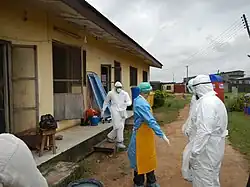
In 2013, an epidemic of the Ebola Virus began in West Africa. After cases reached their peak in October 2014[303] and the epidemic was over by 2016,[304] the infection count had reached 28,646 cases and 11,323 deaths – an extraordinarily high case-fatality rate (40%).[305]
In the early 2010s the European debt crisis caused major effects on European politics and contributing to power shifts and the introduction of austerity policies in different countries.
Developing countries make up for 97% of the world's growth, and industrialization leads to the rapid rise of BRICS economies and the weakening of American hegemony in the global economy.
The recession caused by the COVID-19 pandemic forced many governments and economic sectors to heavily invest and restructure, especially through widespread introduction of remote work.
Economic restructuring was pursued in many economies due to global climate change.
Sports
Association football is the most popular sport worldwide with the FIFA World Cup being the most viewed football event. Other sports such as rugby, cricket, baseball, basketball, ice hockey, tennis, and golf are popular globally. In cricket, the emergence of the Twenty20 format and the creation of the Indian Premier League led to changes in the nature of the sport. American swimmer Michael Phelps won an Olympic record setting 8 Gold medals at the 2008 Summer Olympics.
The 2023 Cricket World Cup – host India – was won by Australia
Gridiron football
Quarterback Tom Brady played in 10 Super Bowls, the most ever.
In the National Football League, the New England Patriots were the dominant franchise of the first two decades of the 21st century, winning six Super Bowls between their first, in 2001, and their most recent, in 2018 and appearing in an additional three others. Head Coach Bill Belichick and quarterback Tom Brady led the team during the stretch, with Brady also leading the Tampa Bay Buccaneers to an additional Super Bowl following the 2020 season. Other teams with multiple Super Bowl appearances over that time period include the Philadelphia Eagles, New York Giants, Kansas City Chiefs, Seattle Seahawks, and Carolina Panthers. Besides Brady, who also won three Associated Press NFL Most Valuable Player Award (MVP), other highly recognized players include quarterback Peyton Manning, who won five MVP awards, the most in history, and quarterback Aaron Rodgers who won three MVPs, who in 2011 set the NFL record for season passer rating. Successful offensive players at other positions include wide receiver Randy Moss, who set the record for most receiving touchdowns in a season with 23 in 2007, wide receiver Michael Thomas, who set the NFL record for most receptions in a season with 149 in 2019, tight end Rob Gronkowski, who became the first tight end to lead the league in receiving touchdowns in 2011, and running back Adrian Peterson, who set the all-time NFL record for rushing yards in a game with 296 in 2007, his rookie year. Key defensive players of the century include safety Ed Reed, who led the league in interceptions three times, linebacker Ray Lewis, who set the career tackles record when he retired in 2012, and linebacker J. J. Watt, who is the only player to record more than 20 quarterback sacks in two different seasons.
In American college football, the sport saw the creation of the College Football Playoff, the first playoff for NCAA Division I Football Bowl Subdivision, the highest level of college football in the U.S. The series was dominated by two teams, the Clemson Tigers and Alabama Crimson Tide, at least one of which has played in every Playoff since its inception in 2014 and between them have won all but one of said championships. Prior to 2014, the method of determining the champion was done via the Bowl Championship Series (BCS), a single championship game that attempted to match the top two teams in the country using a series of polls and computer rankings to choose the top two teams. In the BCS era, the top teams were Alabama, which won three BCS Championships, and Florida State, LSU, and Oklahoma, which won two BCS Championships each. Nick Saban, who led both LSU and Alabama to one and seven national championships respectively, was the most dominant coach of his era, while quarterbacks dominated the Heisman Trophy, winning 16 of 20 during the first two decades of the 21st century. Several controversies over the payment of athletes dominated the sport, with Heisman Trophy winner Reggie Bush being forced to return his award over receiving improper benefits while maintaining amateur status, while officials and media continued to debate the possibility of paying athletes at all levels of college athletics.
In Canadian football, the league opened the 21st century facing an uncertain financial future, suffering from the failures of the experiment of trying to field Canadian football teams in the United States and having to contract a large number of teams at the end of the 20th century. The league fluctuated between eight and nine teams as two different Ottawa-based franchises failed during the first decade of the 21st century. The league found stability during the 2010s, and showed surprising parity between the teams, with all nine teams appearing in at least one Grey Cup during the 2000s and 2010s, and with only the Montreal Alouettes winning back-to-back titles during those two decades, in 2009 and 2010. Quarterback Anthony Calvillo of the Alouettes was the face of the league during his career, winning three Most Outstanding Player Awards and setting several passing records in the process.
Golf
Tiger Woods was the most successful male golfer of the first two decades of the 21st century.
The 2002 Ryder Cup was won by Europe 15 and a half to the USA's 12 and a half.
The 2004 Ryder Cup was won by Europe 18 and a half to the USA's 9 and a half.
The 2006 Ryder Cup was won by Europe again 18 and a half to the USA's 9 and a half.
The 2008 Ryder Cup was won by the USA 16 and a half to Europe's 11 and a half.
The 2010 Ryder Cup was won by Europe 14 and a half to the USA's 13 and a half.
The 2012 Ryder Cup was won by Europe 14 and a half to the USA's 13 and a half.
The 2014 Ryder Cup was won by Europe 16 and a half to the USA's 11 and a half.
The 2016 Ryder Cup was won by USA 17 to Europe's 11.
The 2018 Ryder Cup was won by Europe 17 and a half to the USA's 10 and a half.
The 2021 Ryder Cup was won by USA 19 to Europe's 9.
The 2023 Ryder Cup was won by Europe 16 and a half to the USA's 11 and half.
Michael Schumacher broke many records in the first few years of the century, including the record for most races won (91), most World Championships (7), and most pole positions (68) by the time he retired in 2006. In 2010, he announced his comeback to Formula One after three years out of the sport, retiring again in 2012.
Sebastian Vettel broke numerous records on his way to becoming Formula One's youngest ever world champion, in 2010 at age 23, and then the youngest ever double world champion, in 2011 at age 24.
Sébastien Loeb became the most successful rally driver ever, winning the World Rally Championship a record 9 consecutive times between 2004 and 2012. He also set new records for the most wins, podium finishes and points scored.
Casey Stoner won his second MotoGP world title (2007 and 2011), and announced his retirement from the sport at just 27 years of age, citing disagreement with the direction of the sport and a desire to spend more time with his family. His retirement became effective at the end of the 2012 MotoGP season. Stoner has won every MotoGP-branded race at least once.
Roger Federer won 20 Grand Slam titles (6 Australian Opens, 1 French Open, 8 Wimbledons, and 5 US Opens) to surpass Pete Sampras' record of 14.
Roger Federer, Rafael Nadal and Novak Djokovic each completed a Career Grand Slam, winning the singles championships in the Australian Open, French Open, Wimbledon and US Open; Nadal also won the Olympic Singles gold medal in the 2008 Beijing Summer Olympics to complete a Golden Career Slam.
At the 2010 Wimbledon Championships, John Isner and Nicolas Mahut completed the longest tennis match ever. Isner won 6–4, 3–6, 6–7(7), 7–6(3), 70–68.
In 2019, Rafael Nadal became the first male player to win a single Grand Slam tournament (French Open) 12 times.
Tennis (Women)
Serena Williams won 23 Grand Slam titles (7 Australian Opens, 3 French Opens, 7 Wimbledons, and 6 US Opens) in the 21st century, to add to her 1999 US Open title. Including a 2017 Australian Open win whilst 8 weeks pregnant
Maria Sharapova became the first female Russian player to reach No.1 on 22 August 2005. She also retired in 2020.
China's Li Na won the 2011 French Open, becoming the first player, male or female, from that country to win a Grand Slam.
Belarusian Victoria Azarenka won the 2012 Australian Open, becoming the first player, male or female, from that country to win a Grand Slam, and also hold the No.1 ranking (taking over from Caroline Wozniacki).
The rise of the Internet and Social Media led to art being democratized and revolutionized.[306] Art websites and spaces such as DeviantArt grew rapidly. New art movements, such as minimalism, craftivism, stuckism, and remodernism, as well as art forms such as street art, environmental art, and pixel art, rose as well. However, concerns grew over the dilution and commercialization of art.[307]
In the late 2010s, NFTs, unique digital assets that represent ownership or proof of authenticity for a specific item, primarily used for digital art, as a new form of investment asset, began surging dramatically. However, many considered them to be an economic bubble or a Ponzi scheme.[308] In 2022, the NFT market collapsed; a May 2022 estimate was that the number of sales was down over 90% compared to 2021.[309] By September 2023, over 95% of all NFTs had zero monetary value.[310]
At the beginning of the century, the compact disc (CD) was the standard form of music media, but alternative forms of music media started to take its place such as music downloading and online streaming. A resurgence in sales of vinyl records in the 2010s was driven by record collectors and audiophiles who prefer the sound of analog vinyl records to digital recordings. In 2020, for the first time since the 1980s, vinyl surpassed CDs as the primary form of physical media for consumers of music, though both were still surpassed by online streaming, which by the 2020s became the predominant way that people consumed music.[311] As of 2024, the most active music streaming services were YouTube (2 billion monthly music users, 100 million premium subscribers), Spotify (615 million monthly users, 239 million premium subscribers), Tencent Music (576 million monthly users, 106.7 million premium subscribers), NetEase Cloud Music (205.9 million monthly users, 44.1 million premium subscribers), Gaana (185 million monthly users), SoundCloud (175 million monthly users), JioSaavn (100 million monthly users), and Apple Music (60 million subscribers).[312]
Television
As with music, the story of the first three decades of the 21st century was the growth of streaming television services in competition with older forms of television, such as Terrestrial television, cable television, and satellite television. The first major company to dominate the streaming service market was Netflix, which began as a DVD-delivery service in the late 1990s, transitioned into an online media streaming platform initially focused on delivering content produced by studios, then began to produce its own content, beginning with the popular and critically acclaimed series House of Cards in 2013. Netflix's success encouraged the creation of numerous other streaming services, such as Disney+/Hulu (Disney), YouTube Premium (Google), Amazon Prime Video, and HBO Max (WBD), the latter of which, within a year of its launch, overtook Netflix as the most downloaded television streaming application.[313]
Climate change: Climate scientists have reached a consensus that the earth is undergoing significant anthropogenic, i.e. human-induced, global warming.[314] Global warming risks considerable losses in biodiversity and ecosystem services, unless considerable sociopolitical changes are introduced, particularly in patterns of mass consumption and transportation.[315]
Population: The world's population demographics will shift considerably, with the population of Europe and East Asia predicted to decline considerably and the population of Africa, and to a lesser extent South Asia, to grow considerably, unless there are policy changes. The United Nations estimates world population will reach 9.7 billion by 2050, and peak at nearly 10.4 billion in the 2080s.[317]
Overconsumption and overpopulation: Such growth raises questions of ecological sustainability and creates many economic and political disruptions. In response, many countries have adopted policies which either force or encourage their citizens to have fewer children, and others have limited immigration or both.[318][319]
Poverty: Poverty remains the root cause of many of the world's other ills, including famine, disease, and insufficient education. Poverty contains many self-reinforcing elements (e.g. it can make education unaffordable, which results in continuing poverty) that aid groups hope to rectify. Progress has been made in reducing poverty, especially in China and India, but increasingly in Africa as well.[320]
War: Conflicts continue around the world, such as the Syrian Civil War, the Yemeni Civil War and the Russo-Ukrainian War. Violence continues in the Arab–Israeli conflict. Concern remains about nuclear war and nuclear proliferation and the availability of weapons of mass destruction to rogue groups.[322]
War on drugs: The legal, social, and military battle by governments against drug cartels show little results in ending drug trading and consumption, and an increase in the lives taken. After 2006 in the Mexican drug war, more than 100,000 human lives have been lost. Some jurisdictions have enacted a degree of legalization or decriminalization of some kinds of drugs and narcotics, notably several U.S. states legalizing marijuana for recreational or medical use.[323][324]
Intellectual property: The increasing popularity of digital formats for entertainment media such as movies and music, and the ease of copying and distributing it via the Internet and peer-to-peer networks, has raised concerns in the media industry about copyright infringement (piracy). Much debate is proceeding about the proper bounds between protection of copyright, trademark and patent rights versus fair use and the public domain, where some argue that such laws have shifted greatly towards intellectual property owners and away from the interests of the general public, while others say that such legal change is needed to deal with a perceived threat of new technologies against the rights of authors and artists (or, as some put it, against the outmoded business models of the entertainment industry).[325][326]
Civil and political rights, including women's rights, LGBT rights, racial equality, minority rights, and the rights of disabled and individuals with neurodevelopmental disabilities (e.g. autism) are still a work in progress. Women are unable to realize or outright denied their rights in many countries, including India, China[329] and Saudi Arabia, and sexual violence against women is still an enormous problem. Sex-selective abortion has reduced the number of women born worldwide since 1990, mostly because of son preference in China, India, Pakistan, Vietnam, South Korea and other countries. In many countries attitudes towards homosexuality have become more tolerant. Same-sex marriage was legalized in several jurisdictions during the first two decades of the century, but outlawed by constitutional amendment in other places. Meanwhile, some countries such as Uganda and Russia moved to toughen their laws against any sort of homosexual behavior or expression. Political battles over pro- or anti-gay legislation provoked much activism in the streets and on the Internet. Hate groups remain a serious problem, and ethnic minorities have a lower status in many countries, including the United States. Neurological conditions such as ADHD and autism are becoming more understood and recognized.
^Frank, Michael (22 September 2023). "US Leadership in Artificial Intelligence Can Shape the 21st Century Global Order". The Diplomat. Archived from the original on 8 December 2023. Retrieved 8 December 2023. Instead, the United States has developed a new area of dominance that the rest of the world views with a mixture of awe, envy, and resentment: artificial intelligence... From AI models and research to cloud computing and venture capital, U.S. companies, universities, and research labs – and their affiliates in allied countries – appear to have an enormous lead in both developing cutting-edge AI and commercializing it. The value of U.S. venture capital investments in AI start-ups exceeds that of the rest of the world combined.
^"What is generative AI?". McKinsey & Company. 19 January 2023. Archived from the original on 23 April 2023. Retrieved 18 March 2024.
^"Login". Archived from the original on 10 February 2022. Retrieved 21 February 2007.
^Bansal, Samarth (30 November 2016). "Sex ratio at birth on the decline". The Hindu. Archived from the original on 19 September 2020. Retrieved 12 January 2019 – via www.thehindu.com.
^ abAustin, Peter K; Sallabank, Julia (2011). "Introduction". In Austin, Peter K; Sallabank, Julia (eds.). Cambridge Handbook of Endangered Languages. Cambridge University Press. ISBN 978-0-521-88215-6.
^Carroll, Matt; Pfeiffer, Sacha; Rezendes, Michael; Robinson, Walter V. (6 January 2002). "Church allowed abuse by priest for years". The Boston Globe. Retrieved 12 March 2023.
^Agle, D.C.; Fox, Karen; Johnson, Alana; Schmid, Deb (3 June 2021). "NASA's Juno to Get a Close Look at Jupiter's Moon Ganymede". NASA. Archived from the original on 3 June 2021. Retrieved 3 June 2021. On Monday, June 7 [...] NASA's Juno spacecraft will come within 645 miles (1,038 kilometers) of the surface of Jupiter's largest moon, Ganymede. The flyby will be the closest a spacecraft has come to the solar system's largest natural satellite since NASA's Galileo spacecraft made its penultimate close approach back on May 20, 2000.
^Pieter Groenemeijer (ESSL); Lothar Bock (DWD); Juan de Dios Soriano (AEMet); Maciej Dutkiewicz (Bydgoszcz University of Science and Technology); Delia Gutiérrez-Rubio (AEMet); Alois M. Holzer (ESSL); Martin Hubrig; Rainer Kaltenberger; Thilo Kühne (ESSL); Mortimer Müller (Universität für Bodenkultur); Bas van der Ploeg; Tomáš Púčik (ESSL); Thomas Schreiner (ESSL); Miroslav Šinger (SHMI); Gabriel Strommer (ESSL); Andi Xhelaj (University of Genova) (30 July 2023). "The International Fujita (IF) Scale"(PDF). European Severe Storms Laboratory. Retrieved 30 July 2023.
^Partington, Richard (13 August 2018). "Is free trade always the answer?". The Guardian. Archived from the original on 9 November 2020. Retrieved 12 January 2019 – via www.theguardian.com.
Andersson, Jenny (2018). The future of the world: Futurology, futurists, and the struggle for the post cold war imagination. Oxford University Press. ISBN 978-0-19-254550-3.
Ahram, Ariel I. (2020). War and conflict in the Middle East and North Africa. Polity. ISBN 978-1-5095-3281-0.
Brands, Hal (2016). Making the unipolar moment: U.S. foreign policy and the rise of the post-Cold War order. Ithaca: Cornell University Press. ISBN 978-1-5017-0272-3.
Brügger, Niels, ed. (2017). Web 25: histories from the first 25 years of the World Wide Web. Digital formations. New York: Peter Lang. ISBN 978-1-4331-3269-8.
Cameron, Fraser (2005). US foreign policy after the Cold War: global hegemon or reluctant sheriff? (2nd ed.). Routledge. ISBN 978-0-415-35864-4. OCLC57694857.
Cassani, Andrea; Tomini, Luca (2018). Autocratization in post-Cold War political regimes. New York, NY: Springer. ISBN 978-3-030-03124-4.
Clapton, William, ed. (2014). Risk and Hierarchy in International Society: Liberal Interventionism in the Post-Cold War Era. Palgrave Macmillan UK. ISBN 978-1-137-39636-5.
Dai, Jinhua; Rofel, Lisa, eds. (2018). After the Post–Cold War: The Future of Chinese History. Duke University Press. ISBN 978-1-4780-0038-9.
Duong, Thanh (2017) [2002]. Hegemonic globalisation: U.S. centrality and global strategy in the emerging world order. Ashgate. ISBN 978-0-7546-3013-5.
Gertler, Mark; Gilchrist, Simon (2018). "What happened: Financial factors in the great recession". Journal of Economic Perspectives. 32 (3): 3–30. doi:10.1257/jep.32.3.3.
Harrison, Ewan (2004). The Post-Cold War International System: Strategies, Institutions and Reflexivity. London: Routledge. ISBN 978-0-415-32836-4.
Henriksen, Thomas H. Cycles in US Foreign Policy Since the Cold War (Palgrave Macmillan, 2017) excerpt.
Howe, Joshua P. Behind the curve: science and the politics of global warming (U of Washington Press, 2014).
Jackson, Robert J. and Philip Towle. Temptations of Power: The United States in Global Politics after 9/11 (2007)
Lamy, Steven L., et al. Introduction to global politics (4th ed. Oxford UP, 2017)
Mandelbaum, Michael The Rise and Fall of Peace on Earth (Oxford UP, 2019) why so much peace 1989–2015. excerpt
Maull, Hanns W., ed. The rise and decline of the post-Cold War international order (Oxford UP, 2018).
Pekkanen, Saadia M., John Ravenhill, and Rosemary Foot, eds. Oxford handbook of the international relations of Asia (Oxford UP, 2014), comprehensive coverage.
Pocket world in figures 2021. London: Economist Publications. 2020. ISBN 9781788164979.
Ravenhill, John, ed. Global political economy (5th ed. Oxford UP, 2017) excerpt
Reid-Henry, Simon. Empire of Democracy: The Remaking of the West Since the Cold War (2019) excerpt
Schenk, Catherine R. International economic relations since 1945 (2nd ed. 2021).
Smith, Rhona K.M. et al. International Human Rights (4th ed. 2018)
Smith, Rhona KM. Texts and materials on international human rights (4th ed. Routledge, 2020).
Strong, Jason. The 2010s: Looking Back At A Dramatic Decade (2019) online
Taylor-Gooby, Peter, Benjamin Leruth, and Heejung Chung, eds. After austerity: Welfare state transformation in Europe after the great recession (Oxford UP, 2017).
The World in 2020. London: Economist Publications. 2019. OCLC1129588760.
Tooze, Adam (2018). Crashed: How a Decade of Financial Crises Changed the World. New York: Viking. ISBN 978-0-670-02493-3.
Tooze, Adam. Shutdown: How Covid Shook the World's Economy (2021).
United Nations. World Economic Situation and Prospects 2020 (2020) online annual reports
United Nations. World Economic and Social Survey 2010 – Retooling Global Development (2010) online
External links
Wikimedia Commons has media related to 21st century.
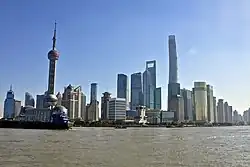
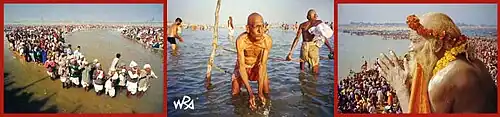
)%252C_OWID.svg.png)
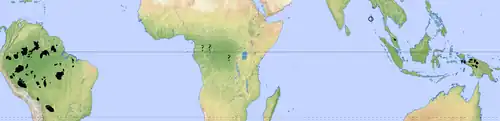
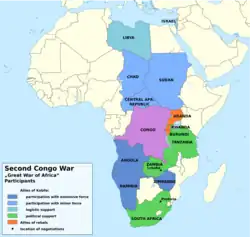
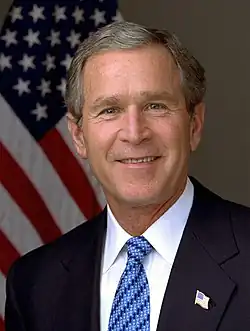

.jpg)
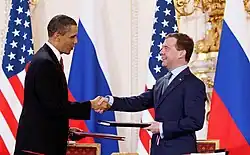


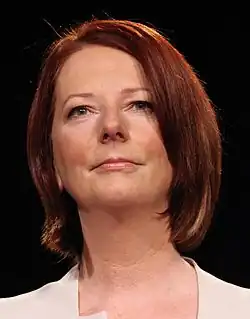
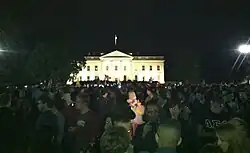

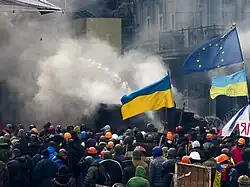
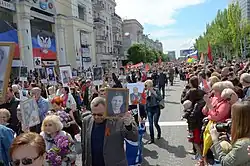

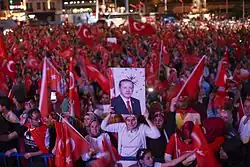
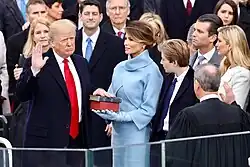


.jpg)
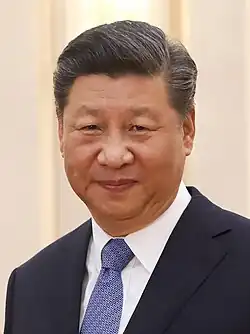


.jpg)
.png)
.jpg)
.jpg)
.png)
.jpg)
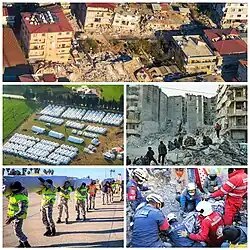

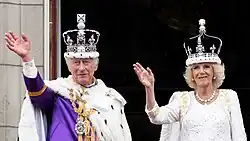
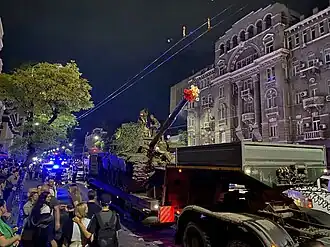
.png)
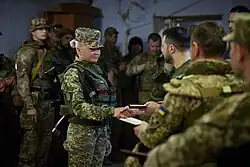
.jpg)


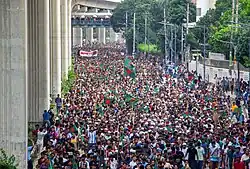
.jpg)
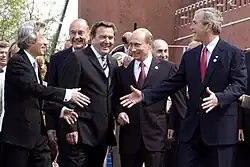
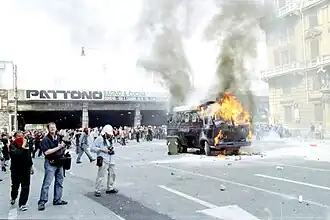

 East Timor (Timor-Leste)[235] on 20 May 2002.
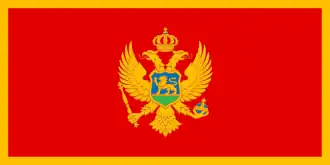 Montenegro on 3 June 2006.
 Serbia on 3 June 2006.
 South Sudan on 9 July 2011.
 Comoros on 23 December 2001.
.svg.png) Transitional Islamic State of Afghanistan on 13 July 2002.
Transitional Islamic State of Afghanistan on 13 July 2002..svg.png) State Union of Serbia and Montenegro on 4 February 2003.
State Union of Serbia and Montenegro on 4 February 2003.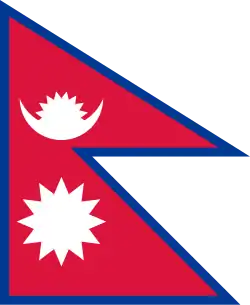 Federal Democratic Republic of Nepal on 28 May 2008.
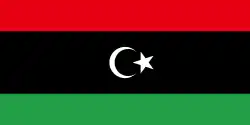 National Transitional Council of Libya on 20 October 2011.
 Islamic Emirate of Afghanistan on 15 August 2021.
 Kosovo on 17 February 2008. (partially recognized)
 South Ossetia on 26 August 2008. (partially recognized)
 Abkhazia on 26 August 2008. (partially recognized)
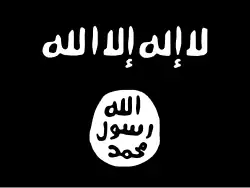 Islamic State of Iraq and the Levant in June 2014. Had taken over much of Iraq, Syria and Libya. It is considered a terrorist organization and no longer holds any significant territorial control.
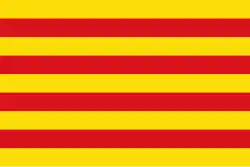 Republic of Catalonia on 27 October 2017. The Catalan Parliament proclaimed the Catalan Republic, but the Kingdom of Spain did not recognise this and for a time imposed direct rule. (See 2017 Catalan independence referendum and 2017–2018 Spanish constitutional crisis)
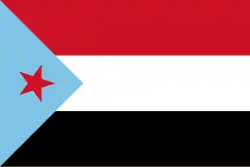 Southern Transitional Council in March 2017. Claimed the majority of the southern part of Yemen and the restoration of South Yemen.
 Crimea annexed from Ukraine into the Russian Federation on 18 March 2014.
 Donetsk People's Republic,[b]
 .svg.png) Kherson Oblast,
Kherson Oblast,  Luhansk People's Republic,[c] and
  Zaporizhzhia Oblast annexed from Ukraine into the Russian Federation on 30 September 2022.
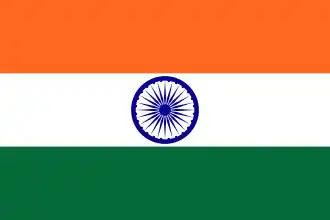 India–Bangladesh enclaves, traded between the two countries in 2015.
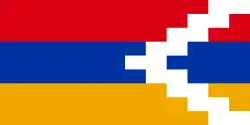 Armenian-occupied territories surrounding Nagorno-Karabakh and the Lachin corridor, ceded by Armenia to Azerbaijan on 1 January 2024.
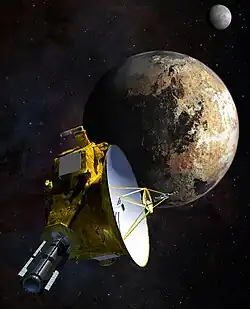
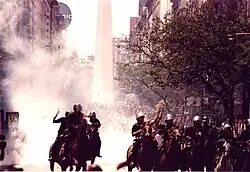


.jpg)

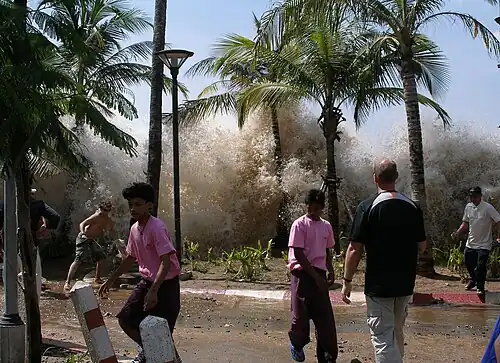
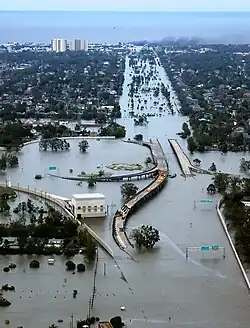
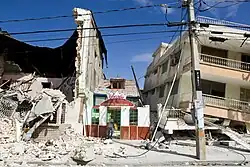
.jpg)